Source Telescopic Bypass Garden Pruner for Landscaping, Farming, and Home Gardening
Compare 30 telescopic bypass garden pruner options from verified suppliers. Evaluate features like blade material, handle type, and customization support to find the right tool for landscaping, farming, or home gardening tasks; compare the available evidence and request quotations based on your requirements.
Key considerations
Products List
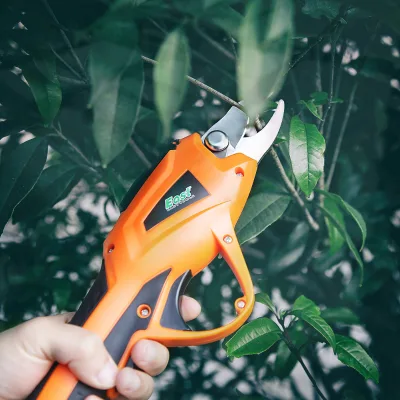


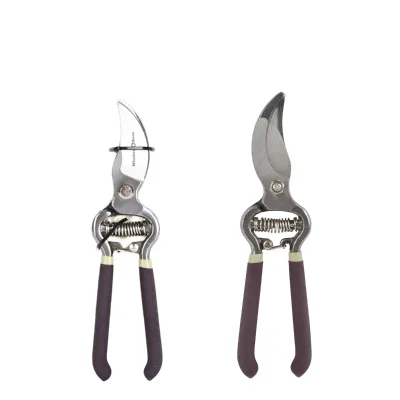
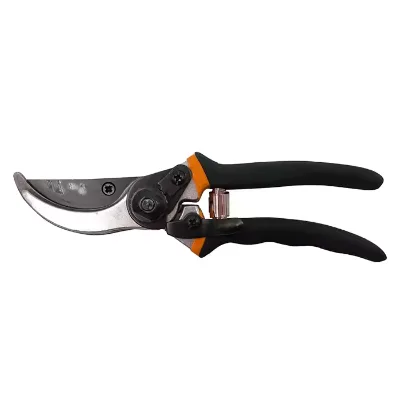
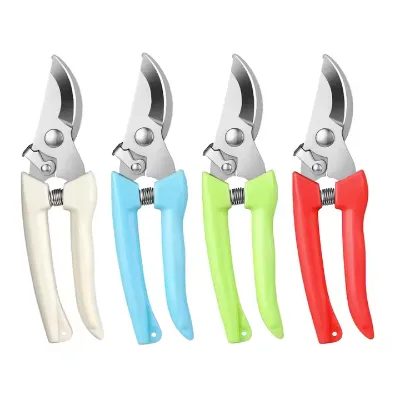


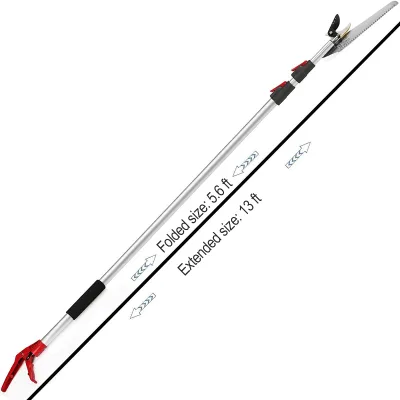


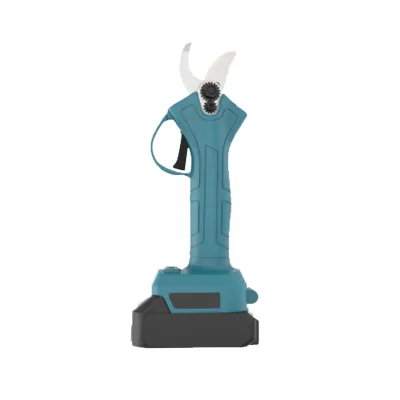


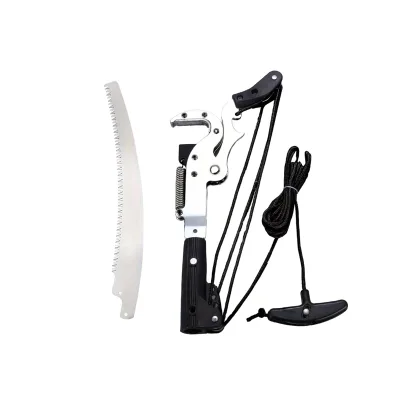
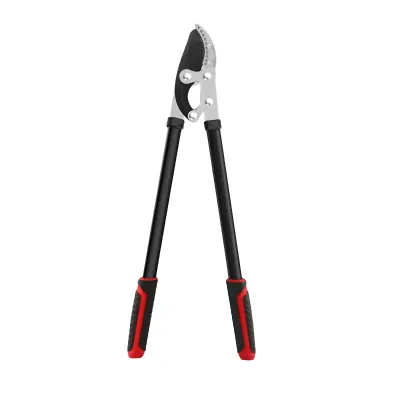


Comprehensive Sourcing Guide
Telescopic Bypass Garden Pruner Sourcing Guide
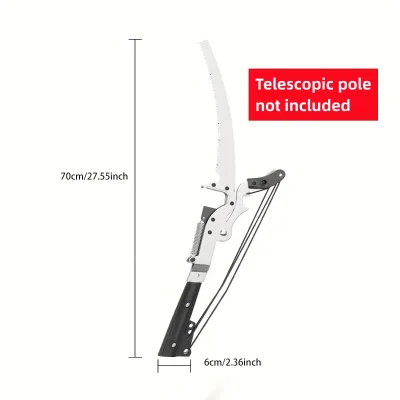
Procuring telescopic bypass garden pruners requires a careful balance between extended reach capabilities and the precise cutting mechanics that define high-quality bypass tools. These pruners are designed to allow users to trim branches at heights or distances that standard hand pruners cannot safely or effectively reach, making them essential for professional arborists and serious gardeners managing large landscapes. The telescopic feature typically involves a sliding handle mechanism that extends the tool’s length, often reaching up to 87cm as observed in current market listings, while collapsing for compact storage. Buyers must ensure that the extension mechanism is robust, as repeated telescoping can introduce wear points that compromise structural integrity over time.
The bypass cutting action is critical for plant health, as it mimics the scissor-like motion of two sharp blades passing each other, resulting in clean cuts that heal quickly. This is distinct from anvil-style pruners, which crush stems against a flat surface and are better suited for dead wood. When sourcing these tools, verify that the blade material is high-carbon steel or 65Mn steel, which offers the necessary hardness and edge retention for cutting live branches. The handle design must also accommodate the extended leverage, often featuring soft grip plastic or aluminum construction to reduce hand fatigue during prolonged use.
Product Scope and Observed Listing Signals
Current market listings for telescopic bypass pruners reveal a wide variance in specifications, with observed prices ranging from $0.02 to $43.69 USD and minimum order quantities (MOQs) spanning from 1 to 3,000 pieces. This broad range indicates a market segmented by quality tiers, from basic DIY models to industrial-grade tools. Many suppliers offer customization options, including OEM, ODM, and OBM services, allowing buyers to brand the tools with custom logos or specific color schemes like red or other customized finishes. The presence of "Long Length" and "Telescopic" as key features confirms that the primary value proposition is reach, but buyers should scrutinize whether the telescopic mechanism is locked securely to prevent slippage during cutting.
Packaging details vary significantly, with some suppliers offering single-item box packaging while others provide bulk carton configurations, such as 120 pieces per carton or 8 pieces per inner box. Supply abilities also differ, with some manufacturers claiming up to 1,000,000 pieces per month, suggesting large-scale production capabilities, while others may have more limited monthly outputs. Buyers should note that while some listings mention "FSC" certification, this likely refers to the wood source if wooden handles are used, though many modern pruners use aluminum or plastic handles. It is crucial to verify the actual material composition and finish, as some products are listed as "Not Coated" while others feature plastic coatings for corrosion resistance.
Technical Specifications to Verify
When evaluating technical specifications, the blade material is a primary determinant of performance and durability. Observed listings indicate the use of 65Mn steel, carbon steel, or general metal alloys, each offering different levels of hardness and corrosion resistance. Buyers should verify the heat treatment process for the blades, as this directly impacts edge retention and the ability to cut through tough branches without chipping. The handle material is equally important, with aluminum and soft grip plastic being common choices. Aluminum handles provide lightweight durability and weather resistance, while plastic grips offer comfort and shock absorption. Ensure that the connection between the handle and the blade pivot is secure, as this is a common failure point in telescopic designs.
The model numbers observed, such as ET1505, Mf-J016, and MF310, suggest a variety of designs from different manufacturers. Buyers should request detailed dimension drawings to confirm the folded and unfolded lengths, as well as the cutting capacity. While some listings state "Not Rated" for cutting capacity, professional-grade pruners should specify the maximum branch diameter they can handle, typically ranging from 20mm to 30mm. The weight of the tool, observed at around 220g for some models, is a factor in user fatigue, especially when the tool is fully extended. Verify that the telescopic mechanism includes a locking system that is easy to engage and disengage, ensuring safety during operation.
Compliance and Safety Documentation
Compliance with safety standards is non-negotiable for garden tools, particularly those with sharp blades and mechanical moving parts. The GS certification observed in some listings is a recognized safety mark in Europe, indicating that the product has undergone rigorous testing for mechanical and electrical safety, although electrical safety is not relevant for manual tools. Buyers should request the full GS test report to verify that the pruner meets the specific requirements for sharp tools, including blade sharpness, handle strength, and stability. Additionally, if the product is marketed in the US, compliance with ASTM F1631 standards for pruning shears should be verified, ensuring that the tool does not pose a risk of accidental injury during normal use.
Other certifications may be relevant depending on the materials used. For instance, if the handles contain plastic, compliance with REACH regulations for chemical safety may be required, especially for export to the European Union. While some listings mention "reach" in a low-confidence context, buyers should proactively ask for material safety data sheets (MSDS) to confirm that no hazardous substances are present in the plastic or coating materials. Furthermore, if the product claims to be made from sustainably sourced materials, verify any associated forestry certifications, although this is less common for metal and plastic components. Clear labeling of warnings and usage instructions in the target market's language is also a critical compliance requirement.
Cost Drivers and Commercial Terms
The cost of telescopic bypass garden pruners is influenced by several factors, including the grade of steel used for the blades, the complexity of the telescopic mechanism, and the quality of the handle materials. Higher-grade 65Mn steel and precision-machined telescopic joints will command higher prices compared to basic carbon steel and simple sliding mechanisms. The observed price range of $0.02 to $43.69 reflects these variations, with the lower end likely representing basic, unbranded tools and the higher end featuring branded, high-performance models with additional features like anti-slip grips or ergonomic designs. Buyers should consider the total cost of ownership, including potential maintenance costs for replacing worn blades or lubricating the telescopic mechanism.
Commercial terms such as MOQ, payment methods, and lead times are critical for planning procurement. While some suppliers offer an MOQ of just 1 piece, others may require orders of 3,000 pieces, which can impact inventory management and cash flow. Payment terms are often negotiable, but buyers should aim for secure payment methods like letters of credit or escrow services for larger orders. Lead times can vary based on the supplier's production capacity, with some claiming a supply ability of 5000 cartons per month. It is advisable to request a detailed production schedule and confirm the sample lead time, which is observed to be around 2-3 days, to ensure that the supplier can meet your delivery deadlines.
Supplier Qualification and Quality Control
Supplier qualification is essential to ensure consistent quality and reliable delivery. Buyers should verify the supplier's manufacturing capabilities, including their production lines, quality control processes, and testing equipment. Suppliers with a high supply ability, such as 1,000,000 pieces per month, should have robust systems in place to maintain quality at scale. Requesting factory audits or third-party inspection reports can provide insights into the supplier's operational standards and compliance with labor and environmental regulations. Additionally, check the supplier's history and reputation in the market, looking for reviews or references from other buyers to gauge their reliability and customer service quality.
Quality control measures should be clearly defined in the purchase agreement. This includes incoming material inspections, in-process quality checks, and final random inspections before shipment. Buyers should specify acceptable quality limits (AQL) for defects such as blade misalignment, handle cracks, or faulty telescopic locks. Requesting pre-shipment samples for approval is a best practice to ensure that the final product matches the agreed-upon specifications. Furthermore, establish a clear process for handling defective goods, including return policies and compensation terms, to mitigate the risk of receiving substandard products. Regular communication with the supplier during the production process can also help identify and resolve potential issues early.
Long-Term Procurement Checks
Long-term procurement success depends on continuous monitoring of supplier performance and market trends. Establish key performance indicators (KPIs) such as on-time delivery rate, defect rate, and responsiveness to issues. Regularly review these metrics to identify any declines in performance and address them promptly with the supplier. Additionally, stay informed about changes in material costs, regulatory requirements, and technological advancements in garden tool manufacturing. This proactive approach allows buyers to anticipate potential disruptions and adapt their sourcing strategies accordingly. Building a strong relationship with the supplier can also lead to better pricing, priority production, and access to new product innovations.
Consider diversifying your supplier base to reduce dependency on a single source. Engaging with multiple suppliers can provide flexibility in case of supply chain disruptions or quality issues with one vendor. Regularly evaluate alternative suppliers in the market to ensure you are getting the best value for your money. Furthermore, invest in training for your procurement team to enhance their knowledge of garden tool specifications and quality standards. This expertise will enable them to make more informed decisions and negotiate better terms with suppliers. Finally, maintain a comprehensive database of supplier information, contracts, and performance records to facilitate efficient management and continuous improvement in your sourcing processes.
FAQs
What materials are used for the blades?
The blades are constructed from 65Mn steel or carbon steel depending on the specific model. Some listings also describe the blade material simply as metal. This ensures durability for cutting tasks while maintaining a sharp edge for effective pruning performance.
Which certifications does the product hold?
The product holds GS certification as a verified safety standard. This indicates compliance with specific safety requirements for the tool. Buyers should verify the specific certification status for each supplier listing to ensure the product meets their regional safety regulations.
Can I customize the logo and color?
Yes, customization is available for both the logo and the color of the pruner. Buyers can request custom logos and select colors like red or other options. This OEM and ODM support allows for branding alignment with specific business needs.
What is the minimum order quantity?
The minimum order quantity ranges from 1 piece up to 3000 pieces depending on the supplier. Some vendors offer a low MOQ of just one piece for sampling. Others may require larger orders to qualify for specific pricing tiers or bulk discounts.
How long is the warranty period?
The standard warranty period for this product is one year. This coverage applies to manufacturing defects and ensures product reliability for the buyer. Specific warranty terms may vary slightly between different suppliers offering the telescopic bypass garden pruner.
Where is the product manufactured?
The product originates from Zhejiang, China, with dispatch ports in Ningbo or Shanghai. This location indicates the manufacturing hub for the garden tools. Buyers can expect supply chain logistics to be managed through these specific Chinese ports.
What is the monthly supply capacity?
Monthly supply capacity varies between 5000 cartons and 1000000 pieces per month across different suppliers. This range reflects the production capabilities of various factories. Buyers should confirm the specific capacity with their chosen vendor to ensure timely delivery.